Review: Watercolor Cake Pie Dessert Ornament PNG
As a designer who has spent countless hours staring at digitizing software and troubleshooting thread breaks, I have learned that not every pretty graphic translates well to fabric. When I first pulled up the Watercolor Cake Pie Dessert Ornament PNG, my initial reaction was one of cautious optimism. The soft, blended hues and whimsical subject matter are undeniably charming, fitting perfectly into the current trend of cottagecore and sweet-themed aesthetics. However, seeing it on a screen is vastly different from watching it stitch out on a hoop. This review breaks down how this illustration performs in real-world embroidery scenarios, helping you decide if it belongs in your next embroidery project.
First Impressions and Visual Mood
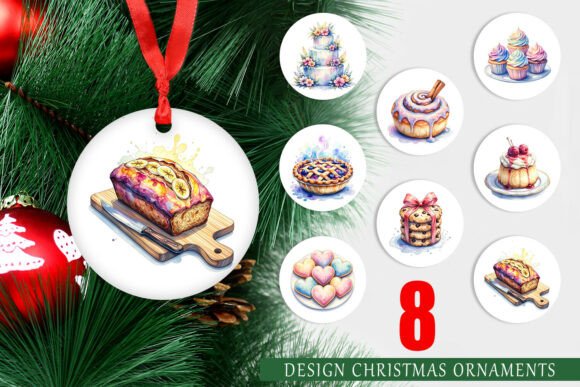
The design exudes a gentle, nostalgic warmth. Unlike sharp, vector-based graphics, this piece relies on the organic bleed of watercolor textures. For an Etsy seller or craft business owner, this mood is invaluable. It suggests comfort, homemade quality, and attention to detail. The layout is balanced, with the dessert elements arranged in a way that feels intentional rather than cluttered. As part of the broader category of Illustrations, it stands out because it doesn’t try to be overly realistic. Instead, it captures the essence of a sweet treat, which often reads better on fabric than a photorealistic image would.
When considering this for a personalized gift, such as a baby shower present or a housewarming item, the visual personality hits the right note. It is playful without being childish, making it versatile for various age groups. The key here is understanding that the "watercolor" effect must be interpreted carefully through stitch types. You cannot simply auto-digitize a PNG and expect magic; the transition from digital gradient to physical thread requires thoughtful planning.
Real-World Application: The Tote Bag Test
To truly evaluate the Watercolor Cake Pie Dessert Ornament PNG, I imagined applying it to a canvas tote bag. This is a staple product for many small shop products and boutique brands. On a sturdy cotton canvas, the design has enough surface area to shine. The broader sections of the cake and pie can be filled with satin stitches or dense fill stitches to mimic the solid colors of the original art, while the softer edges might benefit from a lighter fill or even running stitches to create texture.
If you are creating custom apparel, such as a sweatshirt or a t-shirt, the placement becomes critical. A chest-left placement on a hoodie allows the design to be seen clearly without distorting over the curve of the body. For sweatshirt embroidery, the plush texture of the fleece can sometimes swallow up fine details. In this case, the bold shapes of the dessert ornament work in your favor. They remain visible even if the fabric pile slightly obscures the finer gradients. However, for a tote bag design, you have more freedom to let the intricacies breathe, making it an ideal candidate for larger hoop sizes.
Navigating Technical Challenges
While the aesthetic is strong, there are practical hurdles. Watercolor effects rely on subtle color shifts. In embroidery, we are limited by the number of thread changes and the physical properties of thread. You cannot blend threads like paint. Therefore, when using this digital embroidery file concept, you must prioritize contrast. If you are working with a machine embroidery design derived from this image, ensure that the stitch density varies to create depth. High-density areas will look darker and richer, while sparse areas will let the fabric show through, mimicking the transparency of watercolor.
Be cautious with small hoop sizes. If you attempt to shrink this design for a embroidered patch or a hat front, the delicate details may merge into a muddy blob. The stitch density must be adjusted downward for smaller applications to prevent puckering. Additionally, avoid using this on highly textured fabrics like heavy wool or loose knits unless you use a strong cut-away stabilizer. The smooth transitions of the design require a stable foundation to look crisp.
Dark fabrics present another challenge. The light, pastel tones typical of watercolor desserts will disappear on black or navy material. In such cases, consider using an applique technique. By cutting out the shape from a light-colored fabric and stitching it down, you preserve the integrity of the Watercolor Cake Pie Dessert Ornament PNG without fighting against the background color. This turns the design into an applique design, which can be more durable and visually striking on dark garments.
Commercial Viability and Brand Consistency
For commercial embroidery projects, consistency is key. If you are building a brand around cozy, handmade vibes, this design asset fits seamlessly. It enhances the perceived value of a handmade product because it looks artistic rather than mass-produced. Customers often associate watercolor styles with premium, boutique items. Using this design on kitchen towels, aprons, or pillow covers can elevate a simple item into a desirable home decor piece.
However, always verify the licensing terms. Just because you have the PNG does not automatically grant you the right to sell stitched-out items or redistribute the digitized file. Check whether the source allows for commercial use of finished goods. Many digital product sellers offer specific licenses for craft business use. Ignoring this step can lead to legal issues down the line. Always confirm if the license covers holiday embroidery sales or year-round retail.
Practical Designer Notes
Before committing to a full production run, follow these steps:
- Test on scrap fabric: Never skip this. Stitch the design on the same type of fabric you intend to sell. Check for registration issues where colors meet.
- Check thread color contrast: Use a color chart to match the watercolor hues. Sometimes, swapping a pale yellow for a slightly deeper gold can make the design pop more on white fabric.
- Review stitch density: Ensure the fill stitches are not too dense, which can cause the fabric to pucker, especially on lighter materials like those used for baby embroidery.
- Inspect small details: Zoom in on the digitized version. Are there tiny jump stitches or unnecessary trims? Clean up the file for a professional finish.
- Mockup in black and white: This helps you see the value structure. If the design looks flat in grayscale, it will lack depth in thread.
In conclusion, the Watercolor Cake Pie Dessert Ornament PNG is a delightful addition to any designer’s library, provided it is handled with technical care. It bridges the gap between digital art and tactile craft, offering a unique opportunity to create memorable finished products. Whether you are decorating a cap, creating a printable mockup for your online store, or stitching a special gift, this design invites creativity. Just remember that successful embroidery is about adaptation. Respect the medium, plan your stitches, and let the charm of the design shine through your craftsmanship.