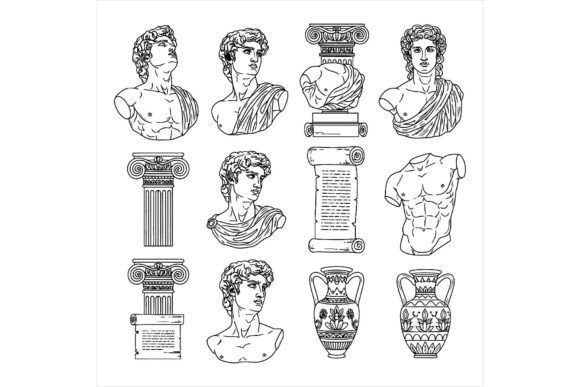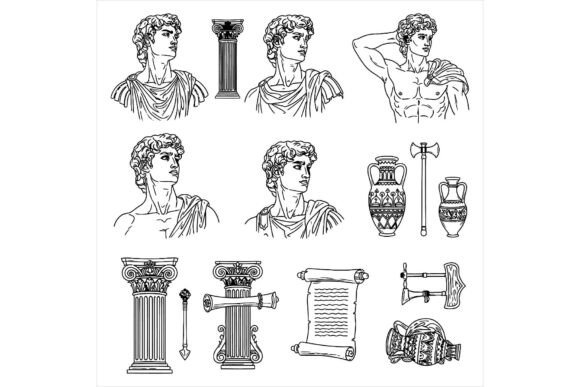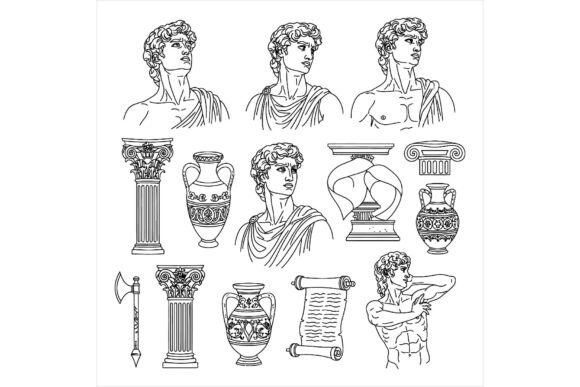
Ancient Greek Roman Artifacts Bundle: Illustrations for Branding
When I first opened the Ancient Greek Roman Artifacts Bundle, my immediate reaction was not just about the aesthetic quality, but about the narrative potential it holds for local businesses. As a brand designer who has worked with countless boutique owners and artisanal producers, I am always on the lookout for graphic design assets that do more than just fill space. They need to tell a story. This collection of illustrations does exactly that, evoking a sense of timelessness, heritage, and curated elegance that is increasingly rare in modern digital marketplaces.
The mood created by these artifacts is distinctly premium yet approachable. It suggests a brand personality that values history, craftsmanship, and authenticity. For a small business owner, this is gold. Whether you are running a handmade soap business, a specialty coffee roastery, or a high-end skincare line, the visual language of ancient art communicates quality without saying a word. It feels decorative and bold, yet soft enough to blend into a minimalist layout if used sparingly.
Elevating Local Business Identity Through Historical Aesthetics
Let’s consider a real-world scenario. Imagine a local olive oil producer or a boutique winery looking to rebrand. Their current packaging feels generic, lost among competitors on the shelf. By integrating elements from the Ancient Greek Roman Artifacts Bundle, we can instantly elevate their brand identity. The intricate lines of a classical vase or the stoic profile of a statue add a layer of sophistication that suggests the product inside is equally refined.
This asset is not limited to food and beverage. I recently evaluated similar design assets for a luxury candle brand. The client wanted to move away from the typical floral motifs and find something more structural and grounded. Using these illustrations as accents on their product labels created a striking contrast against their clean, sans-serif typography. It improved customer trust by making the brand feel established and thoughtful, rather than fleeting or trendy.
Practical Applications for Packaging and Promotional Material
The versatility of this bundle is its strongest selling point for creative entrepreneurs. Here is how I would deploy these illustrations across various touchpoints for a comprehensive small business branding strategy:
- Product Labels: Use a single artifact as a central hero graphic on wine bottles, jarred preserves, or cosmetic containers. The detailed line work holds up well in print, provided the resolution is sufficient.
- Packaging Design: Create a repeating pattern using smaller elements from the bundle for tissue paper, box interiors, or shopping bags. This adds an unboxing experience that feels premium and cohesive.
- Social Media Graphics: These illustrations are perfect for Instagram stories or Pinterest pins. They provide a strong visual hook that stops the scroll, especially when paired with educational content about the product’s ingredients or origin.
- Printable Design: Incorporate them into thank-you cards, hang tags, or invoice inserts. This extends the brand experience beyond the purchase, fostering loyalty.
- Web Design: Use SVG design files from the bundle as subtle background elements or section dividers on a website. This maintains fast load times while adding visual interest.
Strategic Placement and Visual Hierarchy
While the Ancient Greek Roman Artifacts Bundle is powerful, it must be used with intention. In professional branding, visual hierarchy is everything. If every element competes for attention, the message is lost. These illustrations work best as supporting actors rather than the lead. For instance, on a busy product mockup, place the artifact in a corner or behind semi-transparent text to ensure the product name remains the focal point.
I recommend using these graphics to frame important information. A classical border derived from the bundle can draw the eye to a special offer or a key benefit statement on a flyer or poster. This creates a clearer visual hierarchy and guides the customer’s journey through the marketing visuals. However, avoid cluttering ingredient-heavy layouts or legal information areas with these decorative elements. Legibility must always come first, especially on small labels where space is at a premium.
Designer Notes: Testing and Implementation
Before committing to a full rollout for a client, I always conduct a series of practical tests. Here are my notes for anyone considering this bundle for commercial design projects:
- Check Black and White Usage: Print a sample label in monochrome. Some intricate illustrations lose definition when stripped of color. Ensure the lines remain distinct and do not merge into a gray blob.
- Test with Typography: Pair the artifacts with different font styles. They often look stunning beside serif fonts that echo their classical roots, but can also create an interesting tension with modern sans serif or handwritten fonts. Avoid overly decorative script fonts that might compete with the detail in the illustration.
- Inspect File Formats: Confirm whether you are working with PNG design files or SVG design files. For scalable packaging design, SVGs are superior as they allow for infinite resizing without quality loss. For social media graphics, high-resolution PNGs with transparency are essential.
- Review Commercial License: Always verify the commercial license terms before using these design assets for client work or physical product sales. Ensure the license covers both digital and print applications to avoid legal issues down the line.
- Compare with Competitors: Look at the shelves where your product will sit. If everyone is using rustic, hand-drawn icons, these classical artifacts will help your brand stand out as more refined and authoritative.
Where Caution Is Required
It is important to note where this style might not fit. Formal corporate branding often requires cleaner, more abstract imagery. Similarly, luxury minimalist brands that rely on vast amounts of white space may find these detailed illustrations too busy. In such cases, use only a tiny fragment of an artifact or reduce its opacity significantly. Also, be cautious with low-contrast backgrounds. If the background color is too similar to the line color of the illustration, the design will disappear, failing to make the stronger first impression you are aiming for.
Ultimately, the Ancient Greek Roman Artifacts Bundle is a robust tool for any marketer or packaging designer looking to inject depth and character into their work. It supports better product recognition and creates a more polished marketing visual that resonates with customers seeking authenticity. By testing it on real packaging mockups and integrating it thoughtfully into your brand identity, you can transform a simple product into a piece of art. For handmade sellers and boutique owners, this is not just clipart; it is a bridge between the past and present, helping to build a brand that feels enduring and trustworthy.